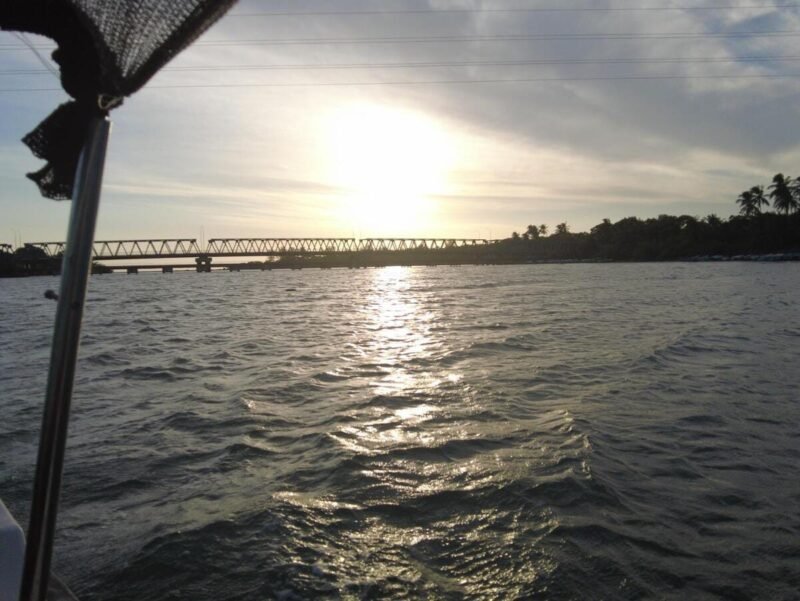
Long before Irrakkandy Lagoon became part of our tour, it was just the place where I grew up.
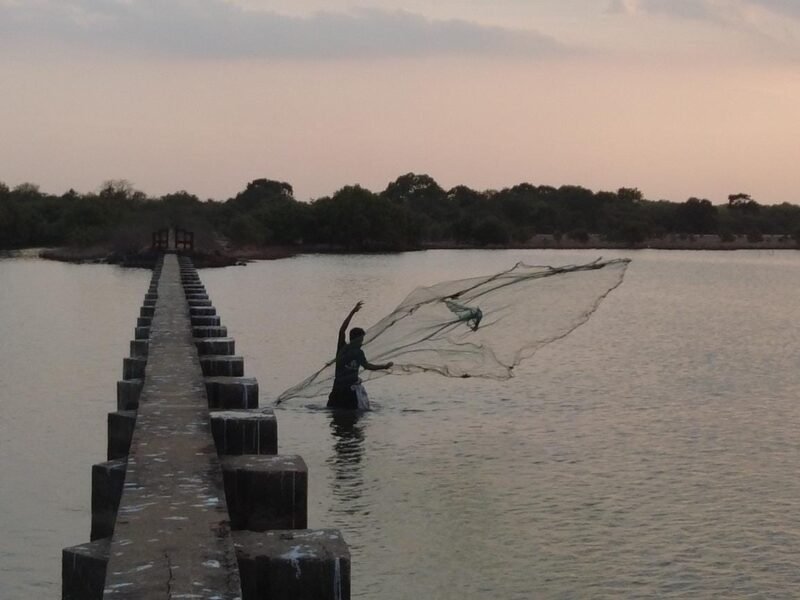
Other days, it was cast fishing. We’d take turns throwing the net out into the water, waiting to see what we’d pulled in, and carry whatever we caught back home. My mother would turn the fish into a fresh coconut curry — nothing elaborate, just what she had in the kitchen. That’s the part that still surprises me when I think back on it: she never used anything costly, just simple, everyday ingredients. And yet, even after traveling to plenty of places since and trying all kinds of food, nothing has matched the taste of what she made from what we caught ourselves.As teenagers, my friends and I spent our free time out on this lagoon. Some days we’d wade into the shallows and catch prawns with our bare hands, working the water until our stomachs were growling and we had nothing left to do but head home. We’d clean the prawns ourselves and hand them straight to my mother, who’d cook them the traditional way. I still haven’t tasted anything quite like fresh prawns eaten that same afternoon, straight from the lagoon.
What I Learned From a Local Fisherman
Years later, talking to one of the fishermen who still works this lagoon, I learned how he catches mud crabs:
- Builds his own crab cages by hand
- Sets them out from a wooden kayak, each one marked with a float
- Leaves them in the water for about six hours
- Paddles back out to collect the catch and sells it fresh to restaurants around Nilaveli
It made me realise how much of this lagoon’s rhythm hasn’t changed since I was a kid — the same patience, the same waiting, the same lagoon giving up its crabs, prawns, and fish the way it always has. If you’re curious about the ecological side of it, Sri Lanka’s Central Environmental Authority has documented how important these wetland systems are for coastal fish and crustacean life — it matches everything I’ve seen growing up here.
Why We Bring Guests Here Now
That’s part of why we bring guests out here now. It’s not just a scenic boat ride through the mangroves — though it is that too, with the birds, the fishermen at work, and the cattle wading home across the water in the late afternoon. For me, it’s a chance to share a place that fed my family and shaped a good part of my childhood, one prawn and one cast of the net at a time.
FAQs
Not directly on the tour — but you’ll see the fishermen at work, and we’re happy to share stories like this one along the way.
Yes, mud crabs and other catch from this lagoon are sold fresh to restaurants in Nilaveli, often the same day they’re caught.
Not quite — during the rainy season (November to January), heavy rain from the hills makes the water fresh instead of salty, which changes the ecosystem for a while.
Want to See It for Yourself?
If this brought back memories of your own, or you’re just curious what this lagoon looks and feels like in person, come join us on the Lagoon & Mangroves Tour — the same waters, the same fishermen, the same quiet rhythm.
Return to the main Nilaveli notes →
Explore the quieter lagoon morning →
Or a land half-day in Trincomalee →
Browse related local topics:
Pigeon Island Guides \\& Memories
Angel Rock \\& Local Snorkeling
Whale \\& Dolphin Stories
Fishing Experiences
Marine Conservation \\& Reef Protection
Lagoon Nature \\& Practical Guides
Local Stories \\& Trincomalee History
Taste of Nilaveli


Pingback: Things to Do in Trincomalee: A Local Guide from Nilaveli