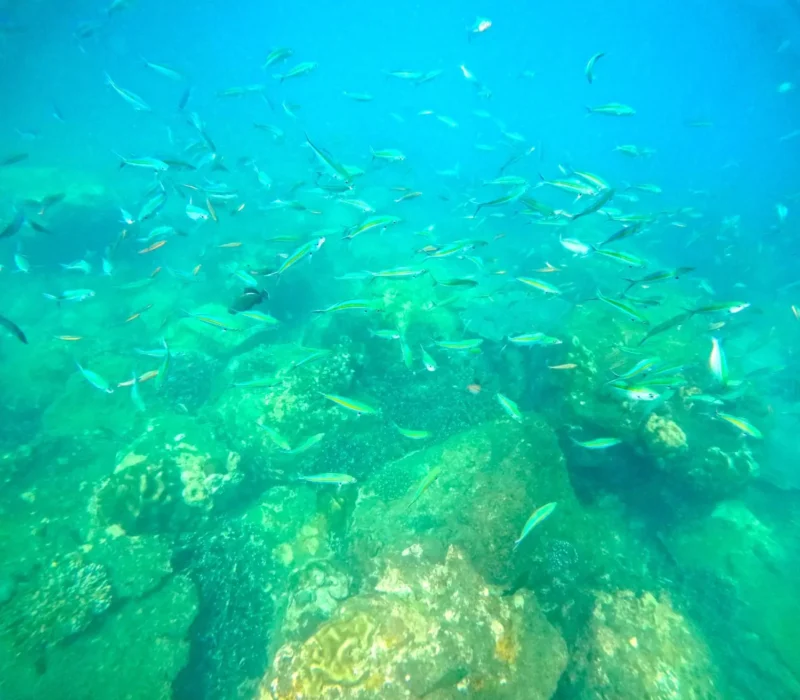
The coral around Pigeon Island and Angel Rock didn’t survive this long by accident. Reefs like these are fragile — a careless kick, a hand reaching out to touch something beautiful, a piece of rubbish left behind — and the damage can outlast the trip that caused it by years. Responsible snorkeling isn’t a marketing phrase for us. It’s a set of habits we ask every guest to follow, on every trip, without exception.
What We Ask Every Guest To Do
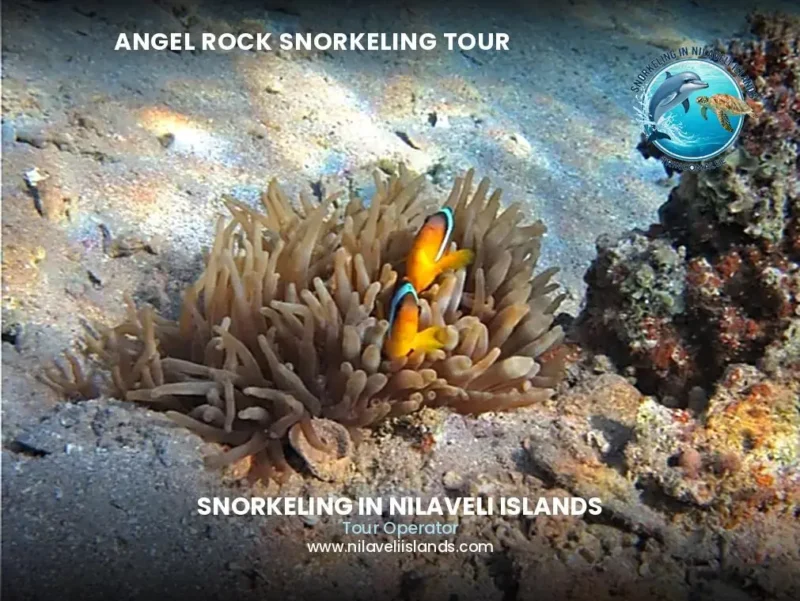
Don’t touch the coral, don’t chase or corner fish for a photo, don’t feed the fish, don’t fish while on a snorkeling trip, keep a respectful distance from turtles and rays, avoid kicking the reef with your fins, carry any rubbish back with you, and choose boats that moor at designated buoys instead of dropping anchor on the reef.
Why It Matters More Here
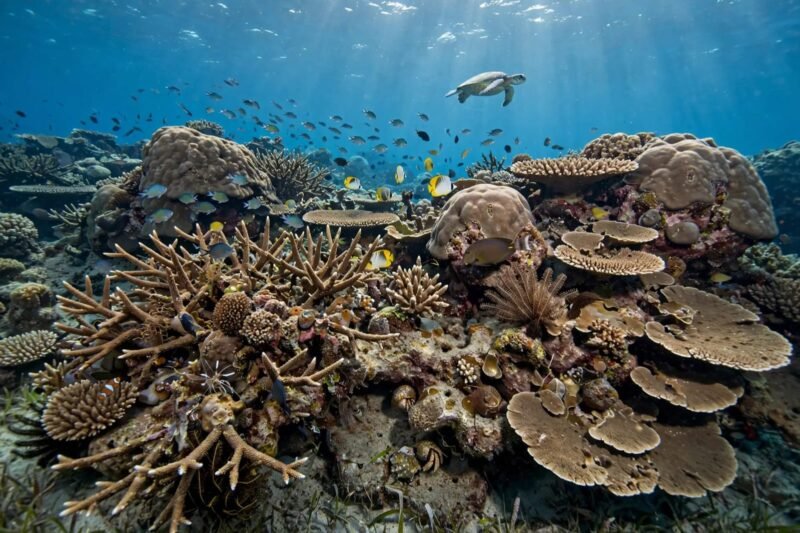
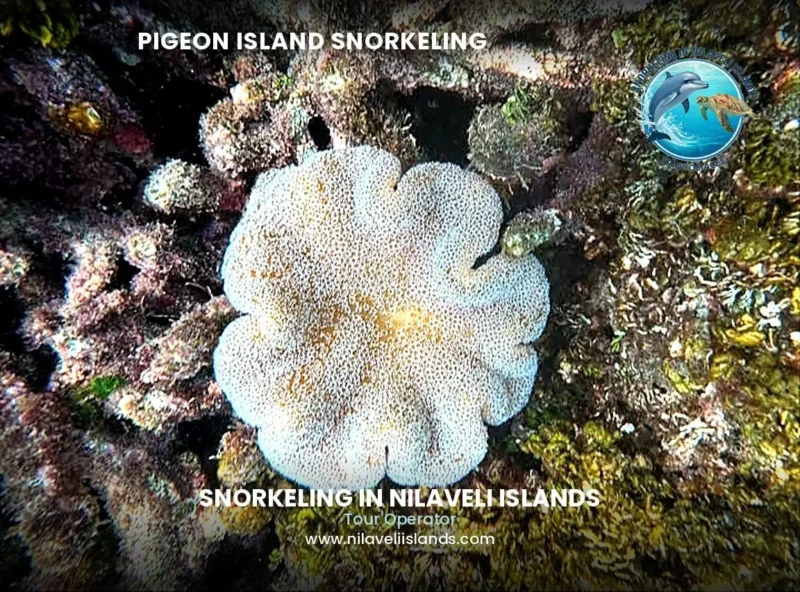
Pigeon Island’s coral has been protected under Sri Lankan law since 1963, and it’s one of the priority reef sites recognised by conservation researchers working on the east coast. That status doesn’t protect the reef on its own — it depends on operators and guests treating it carefully, trip after trip. Local fishermen who’ve watched this coastline for decades will tell you honestly: some areas of reef are less vibrant than they once were.
What This Looks Like In Practice
Our guides brief every guest before entering the water, point out where it’s safe to put your fins down, and step in if a current is pushing someone toward the coral. It’s a small, constant kind of vigilance — not a lecture, just part of how the trip is run.
Frequently Asked Questions
It happens, especially for first-timers — our guides gently correct positioning in the moment. The goal is prevention through guidance, not blame.
We follow guidance published by Sri Lankan marine conservation researchers, including organisations like Blue Resources Trust, who study reef health on this coast.
Feeding changes natural fish behaviour and feeding patterns over time, and can make fish dependent on visitors rather than the reef itself.
It varies by area — some sections show real recovery, others show long-term decline. It’s a mixed picture, not a simple one.
Snorkeling done carefully has a much smaller impact than damaging activities like anchor-dropping or fishing on the reef.


Connect with Us Instantly: Click the WhatsApp button below to chat directly with us and book your dream Trincomalee excursion right now.
- A World Beneath the Waves: Marine Ecosystems in Plain Words
- Why the Sea Near Nilaveli Feels Cooler Than the Sand
- What to Bring for Snorkeling in Nilaveli
- Dolphin Watching Nilaveli from Local Guide: East-Coast Open Sea Mornings
- The History of Whale Watching in Trincomalee: Why Whales Keep Returning

Pingback: What To Do (and Not Do) In the Water Pigeon Island & Angel Rock Guide- 2026
Pingback: Protecting the Ocean: Why Conservation is Vital for Nilaveli’s Future 2026
Pingback: Angel Rock Snorkeling in Nilaveli — A Local Memory From 2010
Pingback: Why I Care About Pigeon Island | A Microbiologist’s View on the Reef