I still remember briefing a group a few years ago, and one man looked genuinely surprised when I told him he couldn’t stand on the coral to take a photo. “It looks like rock,” he said. It’s a fair assumption from the surface — coral doesn’t move, doesn’t blink, doesn’t look particularly alive from a boat. But that one comment is exactly why these rules exist, and why explaining the reasoning behind them matters more than just listing them.
Having studied microbiology before working in this industry, I think about coral very differently than most people do on their first visit. Each coral head is a colony of living animals, not a rock formation, and the rules at Pigeon Island are really just common sense once you see it that way.
A Brief background
Pigeon Island holds real ecological weight for Sri Lanka’s east coast.
- The area was formally declared a national park in 2003, after existing earlier as a protected sanctuary
- It covers two rocky islands located about 1 kilometer offshore from Nilaveli Beach
- It remains one of only two marine national parks in Sri Lanka, making its protection status genuinely significant, not just a formality
The Core Rules
These aren’t arbitrary restrictions — each one addresses a specific, well-documented threat to reef health.
- Fishing is prohibited inside the park boundaries, protecting fish populations that keep the reef ecosystem balanced
- Boats must use designated mooring points — anchoring directly on coral is strictly forbidden, since a dropped anchor can destroy decades of coral growth in seconds
- Daily visitor numbers are limited, reducing cumulative pressure on a reef system that’s naturally quite small in area
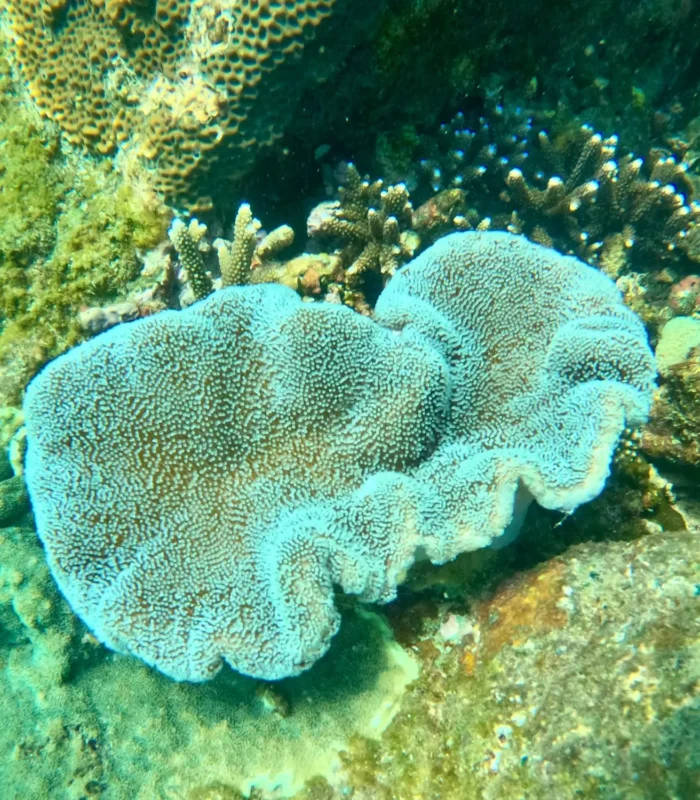
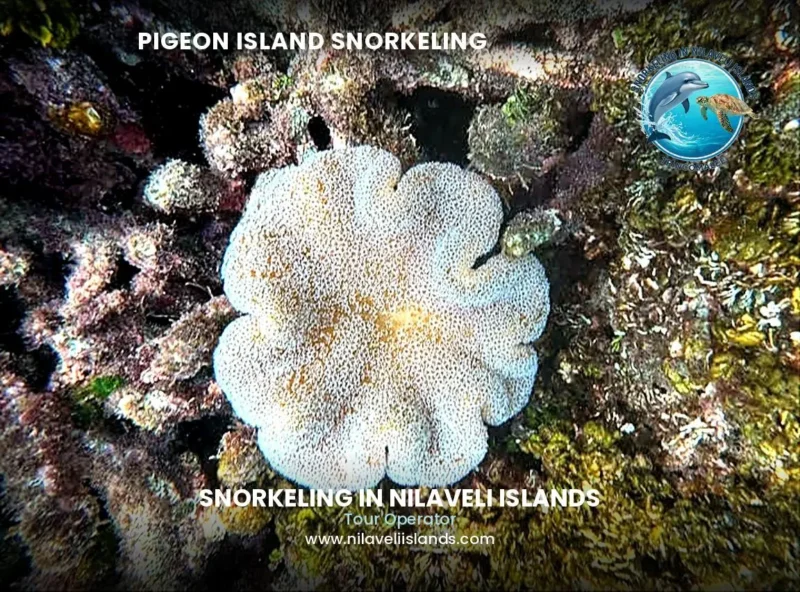
- No touching, standing on, or kicking coral — coral polyps are living animals, and even light contact can kill the tissue at that point
- No feeding fish or marine life — feeding alters natural behavior patterns and can disrupt the food web in ways that aren’t immediately obvious
- All plastic and rubbish must be carried back to the mainland — there’s no waste infrastructure on the island itself, and litter left behind directly threatens marine life
Why “Just a Light Touch” still Causes Demage
This is usually the part that surprises visitors most. Coral tissue is extremely thin and delicate, and even brief contact — a fin brush, a hand for balance, a knee to rest — can scrape away the living layer and expose the coral skeleton underneath. That exposed area becomes vulnerable to infection and algae growth, and recovery, if it happens at all, can take years. Multiply that by hundreds of visitors a day, and the cumulative damage becomes serious quickly, which is exactly why the no-touch rule is treated so strictly at the park.
What Good Practice Actually Looks in the Water
- Float horizontally and observe from a comfortable distance, rather than treading water directly above coral
- Keep fins clear of the reef, especially in shallow lagoon areas where the bottom comes up quickly
- Resist the urge to chase turtles or fish for a closer photo — they’ll usually come closer on their own if you stay calm and still
- Choose boat operators who give a clear eco-briefing before entering the water and actively enforce the no-anchor, no-touch rules
FAQs
Yes. It was declared a national park in 2003 and remains one of only two marine national parks in Sri Lanka.
No. Even coral that appears bare or bleached can host living tissue or support new coral growth, so standing on any coral surface is prohibited.
Yes, daily visitor numbers are capped to reduce cumulative pressure on the reef.
Carry it back to the mainland with you — there is no waste disposal infrastructure on the island itself.
Protecting What You Came to See
None of these rules are meant to make the visit feel restrictive. If anything, they’re what keeps Pigeon Island worth visiting in the first place. A reef that’s respected stays vibrant for the next boatload of visitors, and the one after that, and the one after that.
Our team briefs every group on these rules before entering the water, so you can enjoy the reef fully while knowing exactly how to protect it — book a snorkeling trip to Pigeon Island with us and see it firsthand.
Ready to witness these live coral formations and marine wonders safely? Join our eco-friendly guided snorkeling excursions at Pigeon Island National Park with experts who ensure you experience the reef without harming it.


- A World Beneath the Waves: Marine Ecosystems in Plain Words
- Why the Sea Near Nilaveli Feels Cooler Than the Sand
- What to Bring for Snorkeling in Nilaveli
- Dolphin Watching Nilaveli from Local Guide: East-Coast Open Sea Mornings
- The History of Whale Watching in Trincomalee: Why Whales Keep Returning

Pingback: Pigeon Island National Park Tour: What to Expect from Nilaveli